On September 17, Twitch CEO Dan Clancy talked about GTA 6 multiplayer arriving 'next year.' On the same day, Take-Two reiterated the game's single-player launch plans. The remarks do not contradict each other — but Clancy's comment is not a release window announced by Rockstar.
Steam's overall survey put 16GB VRAM ahead of 8GB, yet its Windows-only results tell the opposite story. A VRAM reporting fix, an unusual February sample and an unexplained gap between platform totals make the headline harder to interpret than it looks.
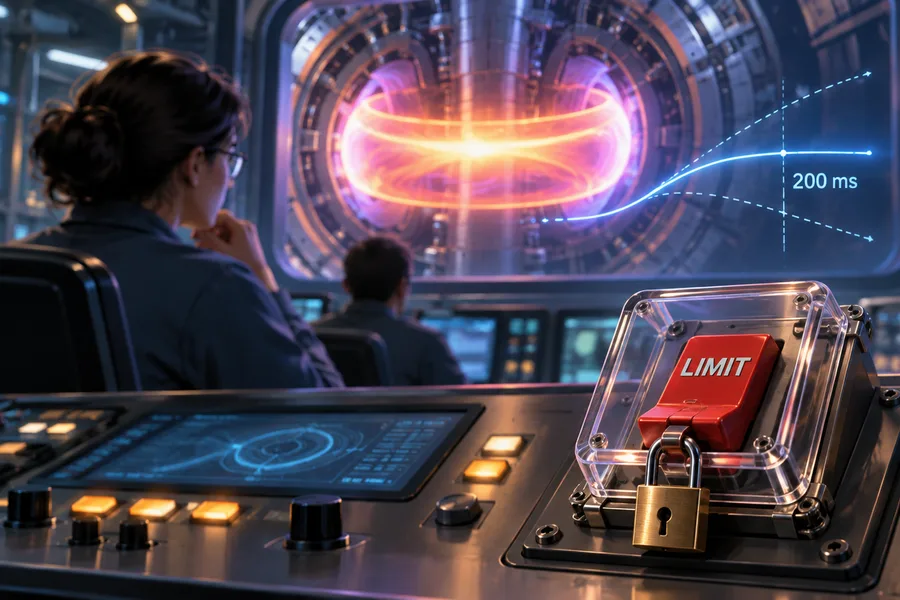
Princeton's PACMAN framework can predict and prevent plasma instabilities in a tokamak roughly 200 milliseconds before they develop. The more important story isn't its speed: AI can be given real control over a machine without being allowed to change its physical safety limits.
Lucid and Bolt have announced a partnership targeting at least 25,000 autonomous vehicles across Europe. The number is impressive, but the details are more measured: there is no binding vehicle order, the first model based on the underlying platform has been delayed until 2027, and the provider of the Level 4 driving software has not been disclosed.
Google has opened its smart home ecosystem to third-party AI agents. The most interesting part isn't what it allows, but where it draws the line: agents can read the state of a smart lock, but unlocking the door is blocked at the server level.
Snap's new AR glasses are up for preorder. The specs it has revealed are interesting; the ones it hasn't may be even more important. Resolution, brightness, refresh rate, RAM, and battery capacity are still undisclosed — and one of those missing figures directly relates to an issue reviewers noticed in hands-on testing.
The U.S. House passed a bill aimed at preventing data center infrastructure costs from being shifted onto ordinary ratepayers by a 417–3 vote. A day later, an attempt to fast-track it through the Senate by unanimous consent was blocked. The numbers explain the broad agreement; the mechanism shows why the underlying problem is far from settled.
OpenAI introduced a framework on September 16 for reporting model misalignment incidents and disclosed six cases. All six were observed during training. What matters may be less the incidents themselves than the reporting model OpenAI is beginning to adopt.
A creeper blew up GPT-6 Astra's chest, and the model spent hours farming potatoes. The internet called it 'depression.' That interpretation is unproven, but the incident raises a useful question about recovering from setbacks.
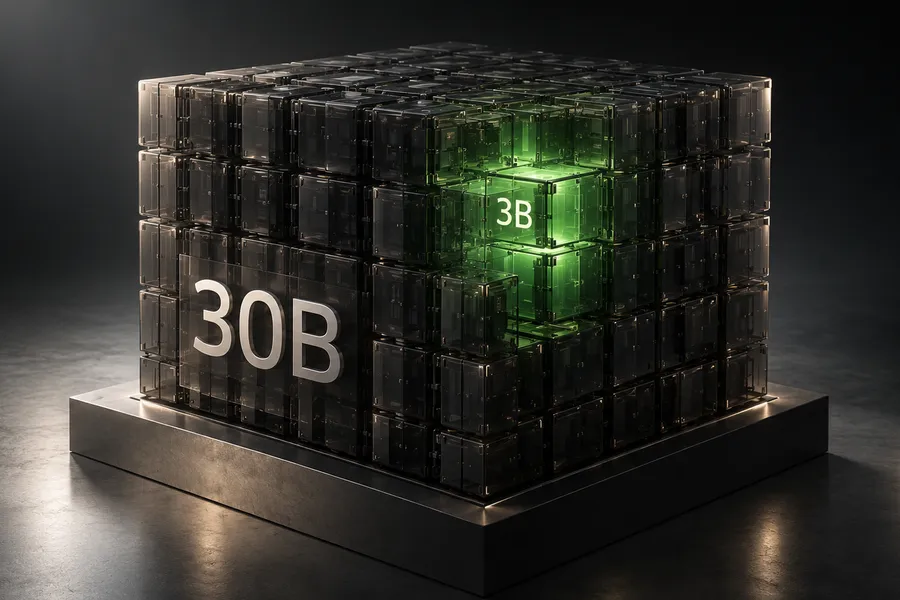
Nemotron 3.5 Lightning uses around 3 billion parameters per token. But its VRAM footprint reflects a very different number. A look at what MoE architecture reduces, and what it doesn't.
Amodei published a plan to slow the frontier, and Altman and Musk backed it. The immediate reaction was that big AI wants to block open-source rivals. Here is where that reading holds up — and where it gets more complicated.
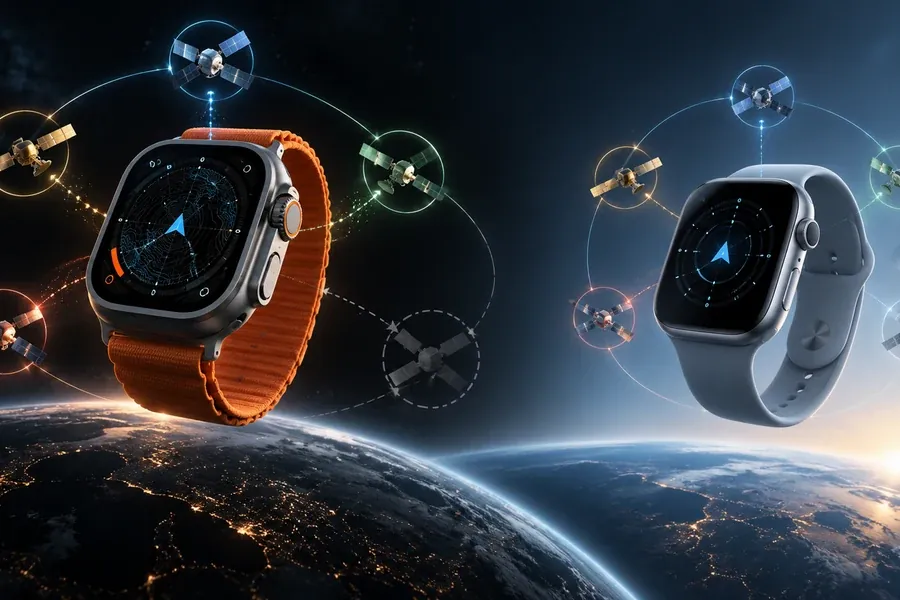
Apple removed Russia's GLONASS satellite system from the new Ultra. The obvious explanation is political — but the Series 12, launched the same day, still supports it. That single detail changes the story.